Our History
More Than 40 Years of Building Healthier Communities
What began as a vision to make healthcare more accessible has grown into one of Florida's largest Federally Qualified Health Centers (FQHCs). For more than four decades, Evara Health has helped individuals and families overcome barriers to care by providing high-quality, compassionate healthcare close to home.
Founded on the belief that everyone deserves access to exceptional care, we've expanded alongside our community, opening new locations, adding specialized services, and creating innovative programs that improve health beyond the walls of the exam room.
A Legacy of Access and Service
Inspired by Dr. Johnnie Ruth Clarke
A Vision Becomes a Health Center
Carrying the Legacy Forward
Evara Health's story is deeply connected to the history of healthcare access in St. Petersburg.
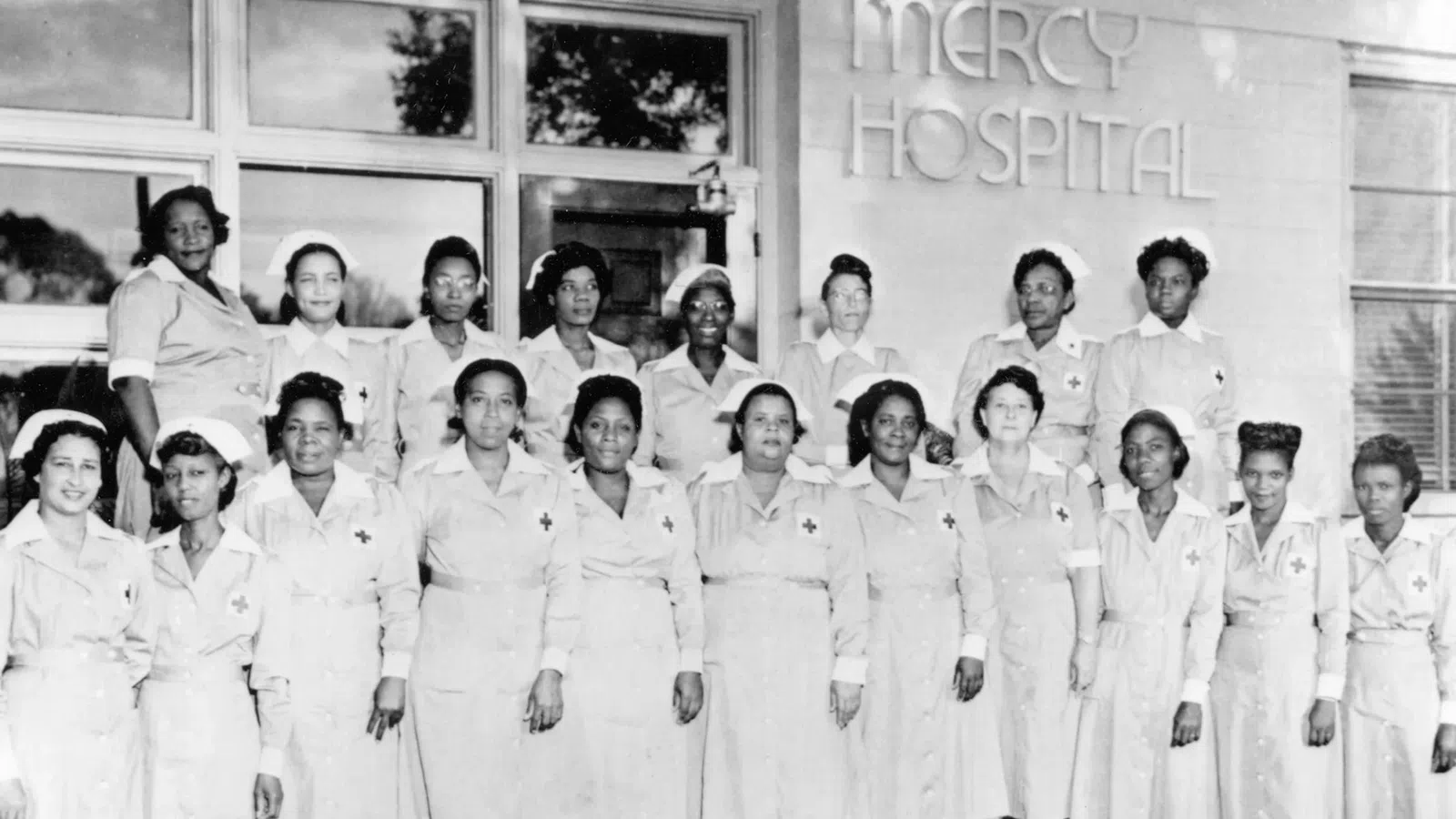
Our Johnnie Ruth Clarke Health Center stands alongside the historic Mercy Hospital, a landmark that represents both the realities of segregation and the determination of St. Petersburg's Black community to ensure families had access to medical care.
Mercy Hospital opened in 1923 at 22nd Street South, in the heart of St. Petersburg's African American community. For more than four decades, it served as the city's primary hospital for Black residents at a time when segregation restricted where they could receive care. Despite disparities in funding, equipment and resources, Mercy became an essential institution for generations of families and an important part of the community.
Its significance extended beyond the care provided within its walls. During the Civil Rights Movement, Mercy Hospital became a site of protest as Black physicians and community leaders challenged segregation and pushed for equal access to St. Petersburg's hospitals.
Mercy closed as a hospital in 1966, but its story did not end there.
Today, healthcare continues on this historic campus through Evara Health. Our presence here connects the work of the past with the work we continue today: making compassionate, high-quality healthcare accessible to the people and communities we serve.
For us, Mercy Hospital is more than a historic building. It is a reminder of why access matters, what communities can accomplish when they work for change, and the responsibility we have to continue serving our neighbors for generations to come.
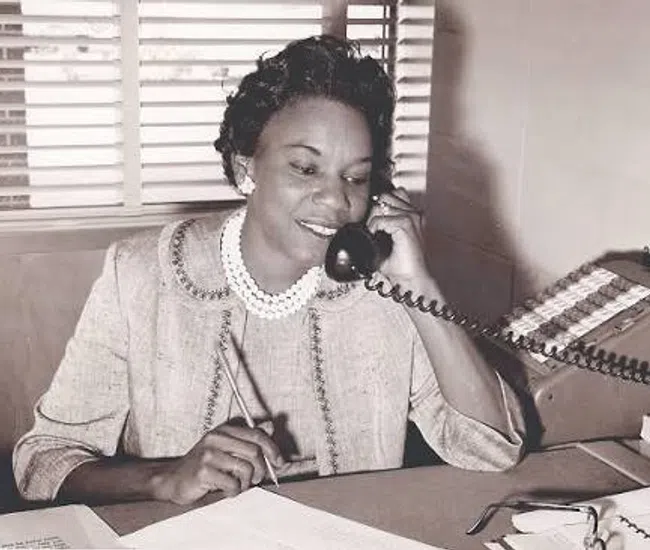
That commitment to access and opportunity defined the life of Dr. Johnnie Ruth Clarke, the extraordinary St. Petersburg educator, humanitarian and civil rights advocate whose vision helped inspire what would become Evara Health.
Born in 1919 and raised in the segregated South, Dr. Clarke built a remarkable career around creating opportunities for people who too often faced barriers to them.
She earned degrees from Florida A&M University and Fisk University before making history at the University of Florida. In 1966, she became the first African American to earn a doctorate from UF's College of Education. She went on to serve as dean of Gibbs Junior College and assistant dean of academic affairs at St. Petersburg Junior College, now St. Petersburg College.
But Dr. Clarke also understood the connection between health, education and opportunity.
Her work increasingly focused on improving health and expanding access to care in underserved communities. She became a leader in efforts to address sickle cell disease, which disproportionately affects people of African ancestry, and in 1972 founded the Florida State Sickle Cell Foundation. Through her advocacy and community leadership, she helped advance medical services for African American residents throughout the St. Petersburg area.
Dr. Clarke died in 1978, but her vision continued.
In 1980, the organization that would eventually become Evara Health began taking shape around a vision Dr. Clarke had championed: that people should have access to quality healthcare regardless of their income or circumstances.
Five years later, that vision became a physical place.
In 1985, the first Johnnie Ruth Clarke Health Center opened on the grounds of Lakeview Presbyterian Church, named in honor of the woman whose commitment to health, education and opportunity had inspired its mission.
As the community's needs grew, so did the health center.
Eventually, that growth brought the organization to a place with a remarkably connected history: the former Mercy Hospital campus.
A new Johnnie Ruth Clarke Health Center was constructed alongside and connected to the restored historic Mercy Hospital. On February 2, 2004, the new facility opened its doors to patients.
Two powerful legacies of expanding access to healthcare had come together on one campus.
What began as a single community health center has grown into Evara Health, a comprehensive network of care serving communities throughout Pinellas County.
As a Federally Qualified Health Center, we provide integrated medical, dental, behavioral health, pharmacy and other services designed around the needs of the whole person. We also extend our impact beyond the exam room through community programs, partnerships, education and the training of the next generation of healthcare professionals.
Our name has changed. Our reach has expanded. Healthcare itself has transformed.
But the principle at the heart of this story has endured.
From the physicians, nurses and community leaders who cared for Black families at Mercy Hospital, to Dr. Johnnie Ruth Clarke's lifelong commitment to health and opportunity, to the health centers and teams serving our community today, each generation has carried the work forward.
For more than a century, this place has been part of St. Petersburg's story of expanding access to healthcare. Today, Evara Health is proud to carry that legacy forward and build upon it for generations to come.